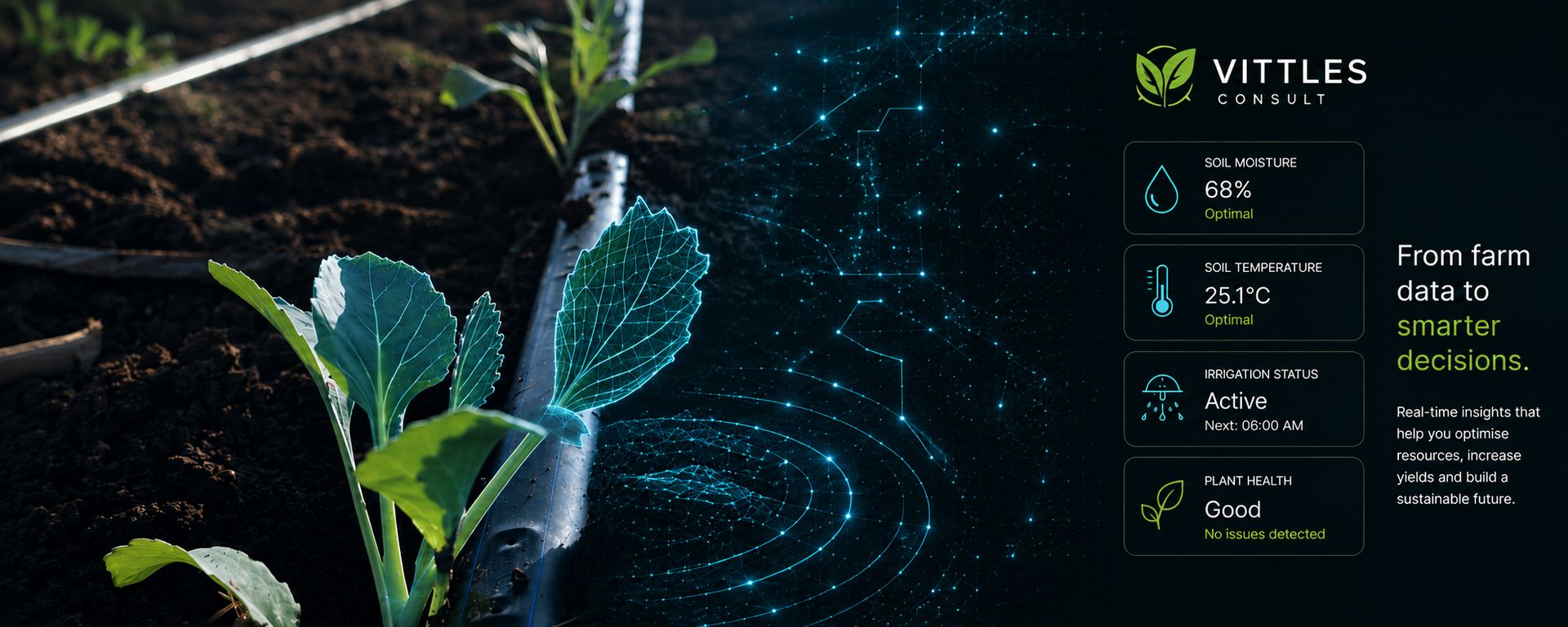
Most certification systems break down in the same place: the gap between what a standard requires and what actually gets recorded in the field. Spray logs written on paper and lost before harvest. Member registers that go stale between seasons. Non-conformances discovered on audit day that could have been caught months earlier.
The tooling that exists usually assumes a stable internet connection, a desktop computer and a full-time compliance officer. Smallholder groups and mid-sized producers rarely have all three.
So we build tools that assume the opposite — and we build them from inside the standards, not alongside them.
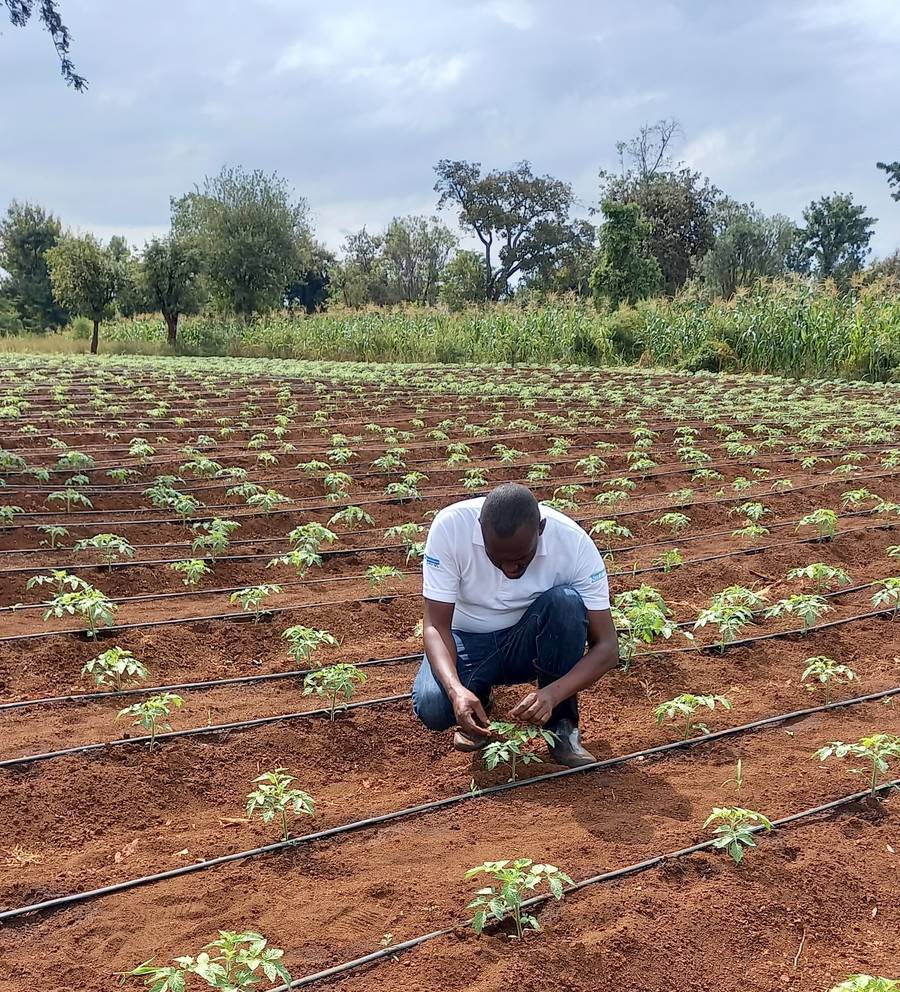 Where the Records Are Actually Made
Working systems in use across certification programmes — not concepts.
Mobile audit tools covering full standard checklists — including all 33 GLOBALG.A.P. IFA SMART v6 FV sections — that run with no connectivity and sync when a signal returns.
Producer group quality management systems: member registers, internal audit records, non-conformance tracking and corrective action workflows built to the standard’s own structure.
Chain-of-custody from block and harvest lot through pack-house to dispatch, so a recall question can be answered in minutes rather than days.
Production planning, input and cost management, spray and harvest calendars, and yield tracking — connected to the compliance record rather than kept apart from it.
Assisted gap analysis, document drafting and evidence review that shortens preparation time. Used to speed up expert work — never to replace the qualified judgement an auditor will test.
Farm health scoring, non-conformance status, seasonal calendars and group-level readiness views that show where a programme actually stands before the certification body arrives.
Field tools that require a live connection do not get used. Ours store locally, work in full on a phone, and sync when a signal is available — not the other way round.
Built directly from control points and QMS requirements, with crop-aware logic. Generic form-builders make you translate the standard yourself; ours already speak it.
The group keeps its own data and can run the system without us. Tools that create dependency on the consultant fail the moment the project funding ends.
Everything is designed backwards from what a certification body will ask to see — because we have spent years on that side of the table.
Being straight about the difference between what we deliver today and where we are investing. The areas below are in active development, not current service offerings.
Cold chain temperature monitoring, irrigation water quality sensing and storage condition logging feeding directly into the compliance record.
Using historical audit and non-conformance data to flag which control points a given operation is most likely to fail before the audit happens.
Applied research on digital technologies for post-harvest loss reduction in Kenyan value chains, led from within our own team.
Tell us how your records are captured today and what standard you are working towards. We will tell you honestly whether a digital system would help or whether the fix is simpler than that.
Talk to an ExpertMonthly notes on standards changes that actually affect your audit — no spam, unsubscribe anytime.